
Below is our Journey to Pascha for 2026. It includes the theme of each Sunday and the readings.
The Great Fast (Lent) begins on Monday (February 16, also called “Clean Monday”), the day after Cheese-Fare Sunday/Forgiveness Sunday and lasts
until the Friday preceding Palm Sunday. Holy Week is a special
fast in honor of our Lord’s Passion and lasts from the evening of Palm Sunday until Holy Saturday, inclusive. The question of the forty
days of Lent takes on some confusion when comparing it with the Roman Catholic Church. We don’t have Ash Wednesday. The Western Church begins the holy season on Wednesday (February 18) with their proper services. The Eastern Churches start two days earlier because we use a different counting system to arrive at the traditional forty days. *The Western Lent consists of forty days excluding Sundays – leading up to Easter Sunday. * The Eastern Churches keep forty days without interruption (including Sundays) leading up to Lazarus
Saturday, the first day of Holy Week. The Holy Week is considered to be a separate fast. This accounts for the different starting dates. If you count back 40 days (including Sundays) from the Friday before Lazarus Saturday, you will have the start of the observance of the Eastern Christian Great Fast. **Eastern Christians do not observe the Great and Holy Week (the week before Easter Sunday) as
part of the fast. The events of this week are so extraordinary and have such a deep and profound meaning to our salvation that they merit consideration apart from the Great Fast. It has an even more intense spirit of solemnity and fasting.
Lent – the Great Fast:
First Day of the Great Fast (Clean Monday (February 16, 2026) – Strict AbstinenceAbstention from meat, dairy and eggs, and foods that contain these ingredients.
First Week of the Great FastAbstention from meat and foods that contain these ingredients.
Mondays, Wednesdays, and Fridays of the Great FastAbstention from meat and foods that contain these ingredients.
Great and Holy Week (Passion Week)*Lazarus Saturday, Palm Sunday, and the days of Great and Holy Week are not counted as part
of the Great Fast; they are their own special fast. Abstention from meat and foods that contain these ingredients.
Great and Holy Friday – Strict Abstinence
Abstention from meat, dairy and eggs, and foods containing these ingredients.Note: for those wishing to observe the very traditional strict fast; No meat on any days from Sunday of Meatfare, then including no dairy products on any days from Sunday of Cheesefare until Holy Saturday evening.
Preparation for the Great FastThe Church seldom starts us on a path without providing some preliminary orientation and preparation; and the Great Fast is no exception. The four weeks leading up to the Fast (five Sundays, and the weekdays in between) remind us of our need for a “Lenten springtime”, and of
the spiritual pitfalls that can divert us from our goal of communion with God.* The pre-Fast preparations begin with the fifth Sunday before the start of the Fast, the Sunday of
Zacchaeus. On this Sunday, we hear of the tax-collector Zacchaeus, his ardent desire to see Jesus, and how this desire was fulfilled beyond his expectations. * The next Sunday is the Sunday of the Publican and the Pharisee. The Sunday Gospel reminds
us of the dangers of hypocrisy and the need for true humility in order to come close to God. * The following Sunday is the
Sunday of the Prodigal Son, on which we are shown a story ofrepentance and acceptance. The Prodigal Son is an image of each of us, as we “rememberourselves” and resolve to break with our sins, return from exile, and start a new life* With the next Sunday, the
Sunday of the Last Judgment (
February 8), we are only eight days from the start of the Great Fast. At the Divine Liturgy, we hear the Gospel account of the second coming of the Lord in glory and of the final judgment. We are reminded of our responsibility for acts of charity and love, especially toward the poor and suffering. To prepare us for the rigors of the Fast, the Church’s
traditional fasting rules call on the faithful to fast from meat
for the final week before the Fast. That is why the Sunday of the Last Judgment is also called the Sunday of Meatfare.
* Finally, we have come to the very brink of the fast on Cheesefare Sunday. At the DivineLiturgy, our Lord’s words in the Gospel speak of forgiveness: “If you forgive men their trespasses, then your heavenly Father will forgive you.” For this reason, the day is also calledForgiveness Sunday.
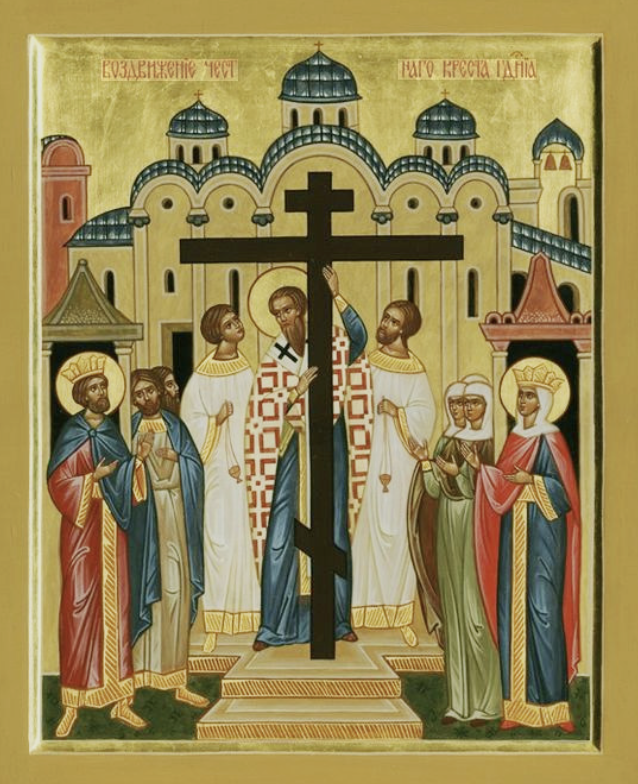
Commemorations/Themes during the Great Fast (We will explore the theological themes of each Sunday as we progress on our journey):Each Sunday of the Great Fast has a particular commemoration:• First Sunday (Sunday of Orthodoxy) – the restoration of icons to the Church in the 9th century. • Second Sunday – Saint Gregory Palamas, a noted 14th century theologian.• Third Sunday – the veneration of the Holy Cross as we reach the midpoint of the Fast.• Fourth Sunday – Saint John Climacus, a 5th century abbot, whose book “The Ladder” is a masterpiece of monastic spiritual writing.• Fifth Sunday – Saint Mary of Egypt, a great penitent saint of the 4th century.
The Journey to Pascha in 2026 invites us into a profound spiritual journey, beginning with pre-Lenten preparations on the Sunday of Zacchaeus and unfolding through themes of humility (Publican and Pharisee), repentance (Prodigal Son), judgment and charity (Meatfare), and forgiveness (Cheesefare), culminating in the Great Fast from Clean Monday, February 16. This 40-day observance, distinct from Western Lent by including Sundays and leading uninterrupted to Lazarus Saturday, calls for progressive abstinence—starting strictly on Clean Monday, easing midweek, yet intensifying toward Holy Week’s solemn Passion fast from Palm Sunday evening through Holy Saturday—with each Sunday’s commemorations (Orthodoxy, Gregory Palamas, Holy Cross, John Climacus, Mary of Egypt) guiding the soul upward like a ladder toward divine communion. Far from mere dietary rules and regulations, this path counters spiritual pitfalls, fosters acts of love, and prepares the heart for Christ’s extraordinary salvific events, treated apart in Great and Holy Week’s intense solemnity.
Some Notes:
Abstinence means that we do not eat a certain type of food or any other foods that have that as an ingredient.
Fasting means that we eat less food. A general rule is that for a day of fast, the amount of food of the main meal is less than the other two meals combined.
Those exempt from fasting and abstinence are (Canon 115 §1 of the Particular Law of the UGCC):
- Children under the age of 14
- Adults over the age of 60
- those who are gravely ill
- pregnant women
- post-partum mothers
- breast-feeding mothers
- travellers (if travel time exceeds 8 hours)
- those engaged in heavy labour
- those who eat from the table of others
- the poor who live from charity
Peace and Grace, Tim