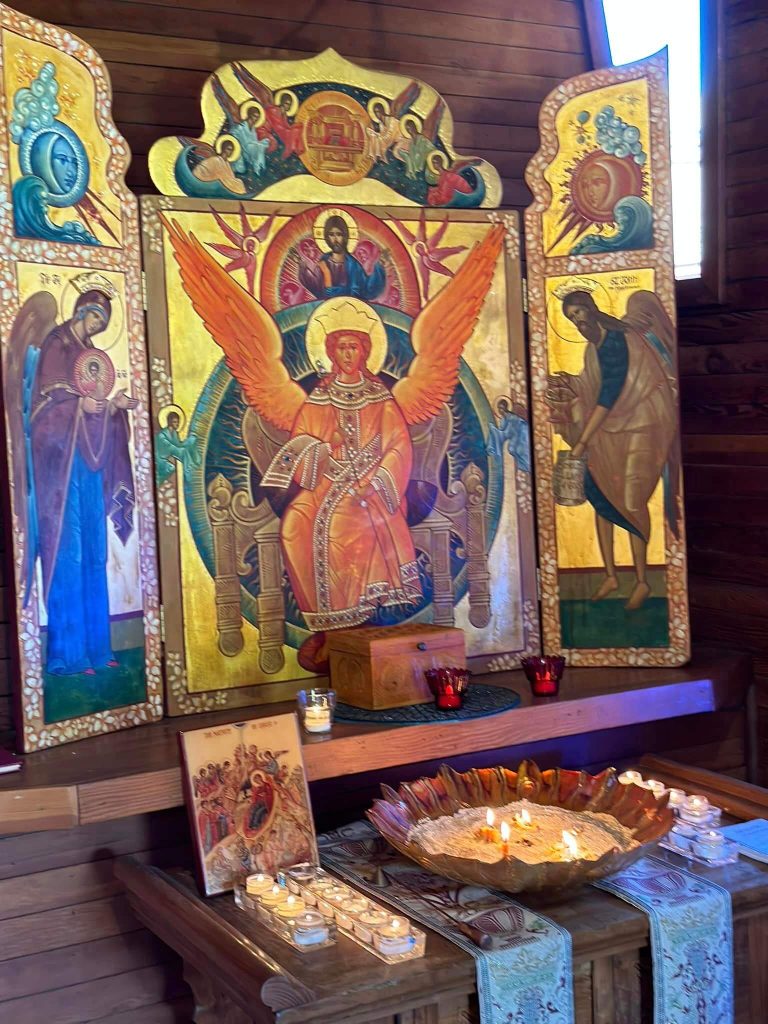
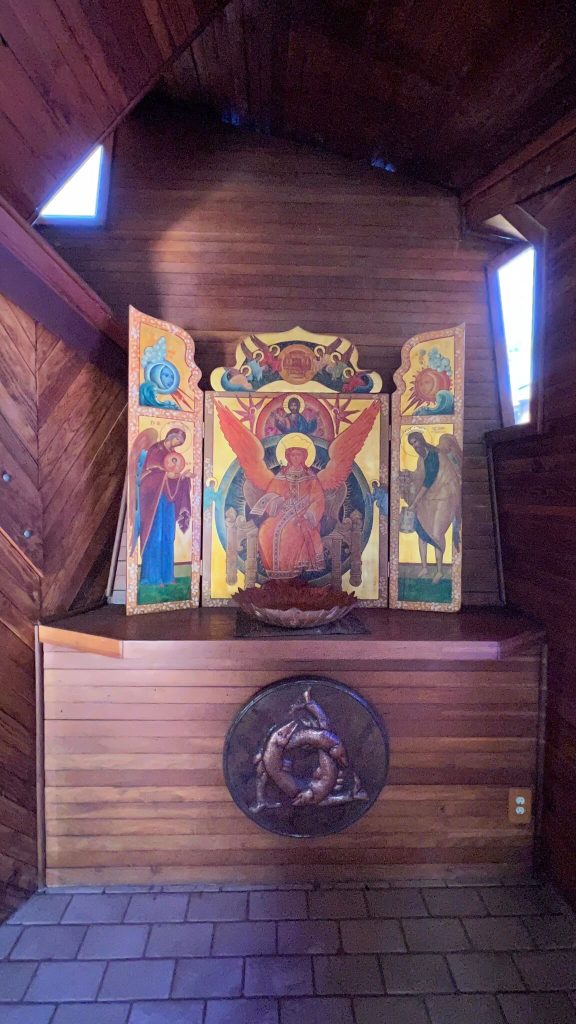
Icons: Windows into Heaven and a Living Ukrainian Tradition:
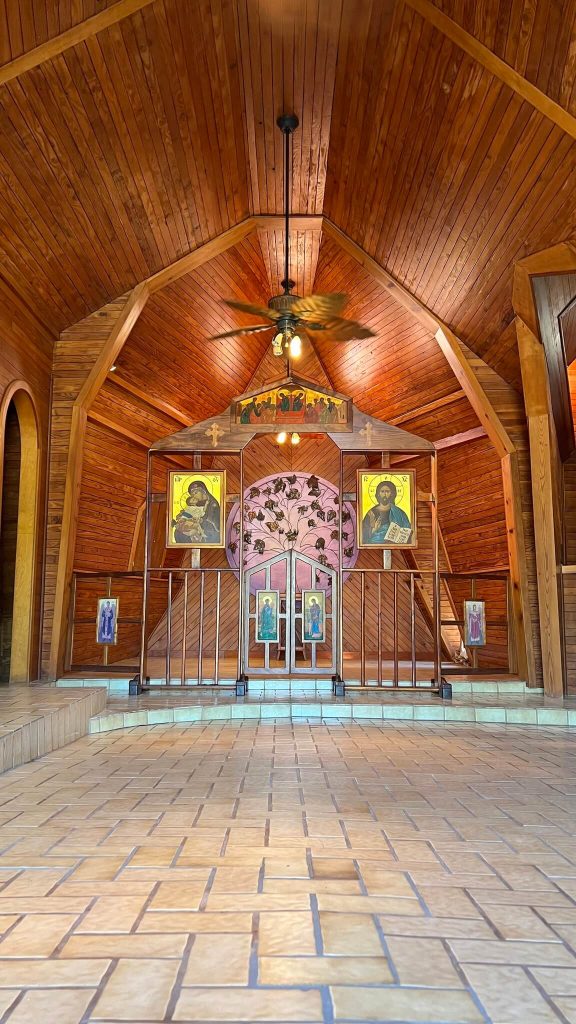
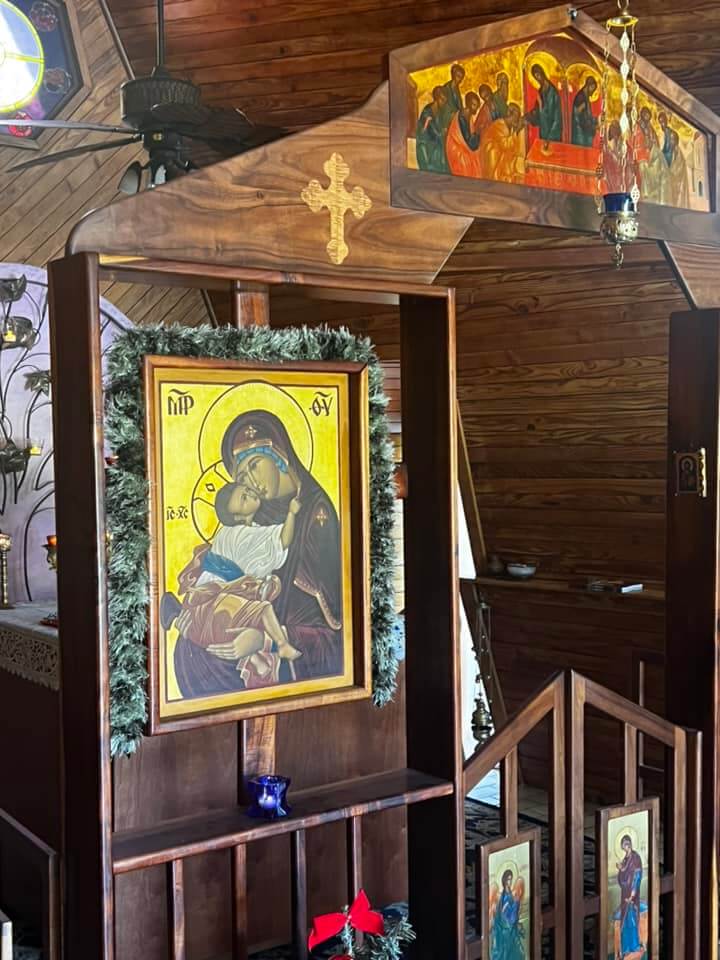
When you enter a Ukrainian Greek Catholic church, one of the first things you notice is the iconostasis—the wall of sacred images separating the nave from the sanctuary. But these images are much more than decoration. They tell the story of salvation, connect us with the saints, and remind us that the Kingdom of God is not distant from us.
For nearly 2,000 years, Christians of the East have understood icons as “windows into heaven”—visible signs pointing toward the invisible reality of God.
Why Do We Use Icons?
The theological foundation for icons is the Incarnation. The invisible Son of God became visible in Jesus Christ, taking on human flesh. Because God entered the material world and became visible, He can be represented through material things
During the Iconoclast controversy of the eighth and ninth centuries, some Christians argued that sacred images should be destroyed. St. John of Damascus became one of the most important defenders of icons, arguing that rejecting images failed to recognize the full reality of the Incarnation: Christ, who was once invisible, truly became visible.
The Second Council of Nicaea in 787 affirmed the proper veneration of icons, carefully distinguishing it from the worship owed to God alone. The Council established the theological foundation for their continued use throughout the Eastern Christian tradition.
From Byzantium to Ukraine:
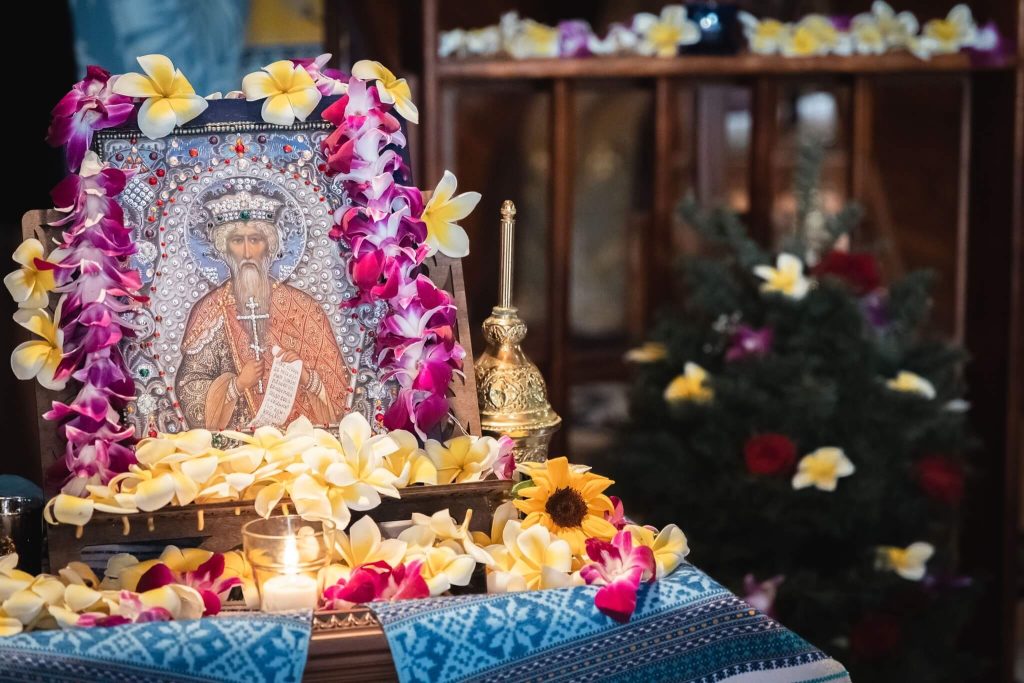
The Ukrainian tradition of icons began with the Christianization of Kyivan Rus in 988, when Grand Prince Volodymyr embraced Christianity. Early Ukrainian iconography was deeply influenced by Byzantine Christianity, but over the centuries Ukrainian artists developed distinctive styles incorporating local traditions, symbolism, and cultural influences.
Iconography flourished in Kyivan Rus, Halych-Volhynia, and later during the Cossack Baroque period. Icons became not only expressions of Christian faith but also an important part of Ukrainian cultural identity.
Icons and the Ukrainian Greek Catholic Tradition:
Following the Union of Brest in 1596, Ukrainian Greek Catholics entered into communion with Rome while retaining their Byzantine Eastern Christian tradition. Icons remained an essential part of worship and became a visible expression of continuity with the Christian tradition of Kyivan Rus.
This Eastern identity was preserved through centuries of political upheaval, persecution, and cultural change. Icons were among the traditions that helped Ukrainian Greek Catholics maintain a connection to their faith, history, and heritage.
Reading an Icon:
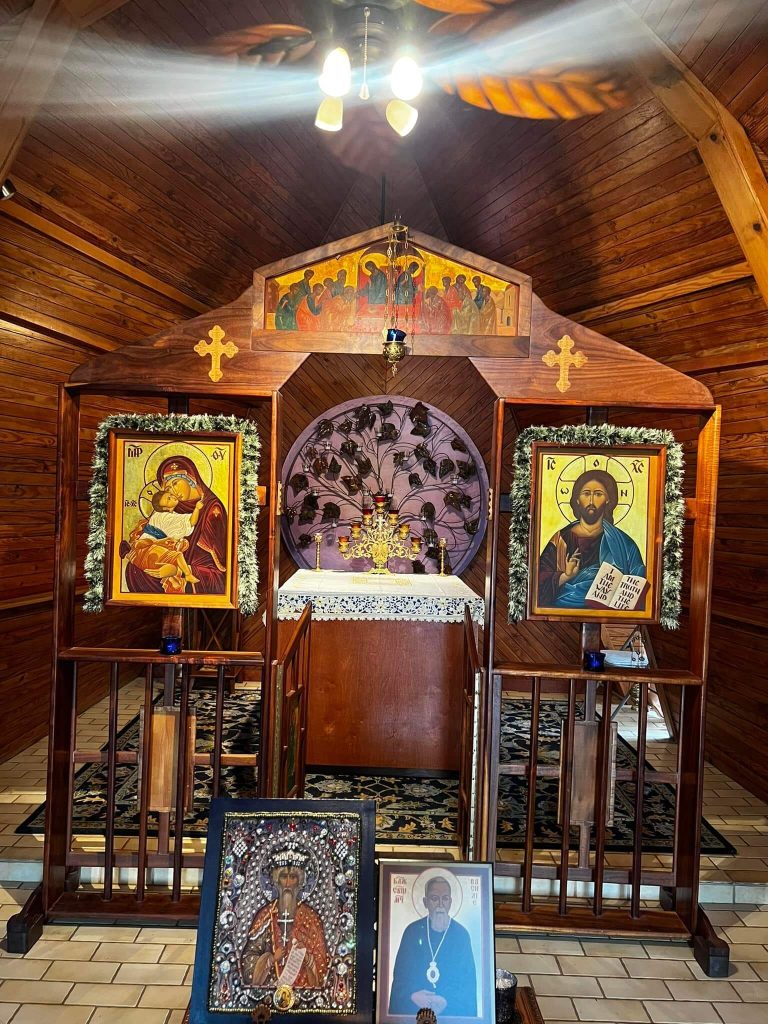
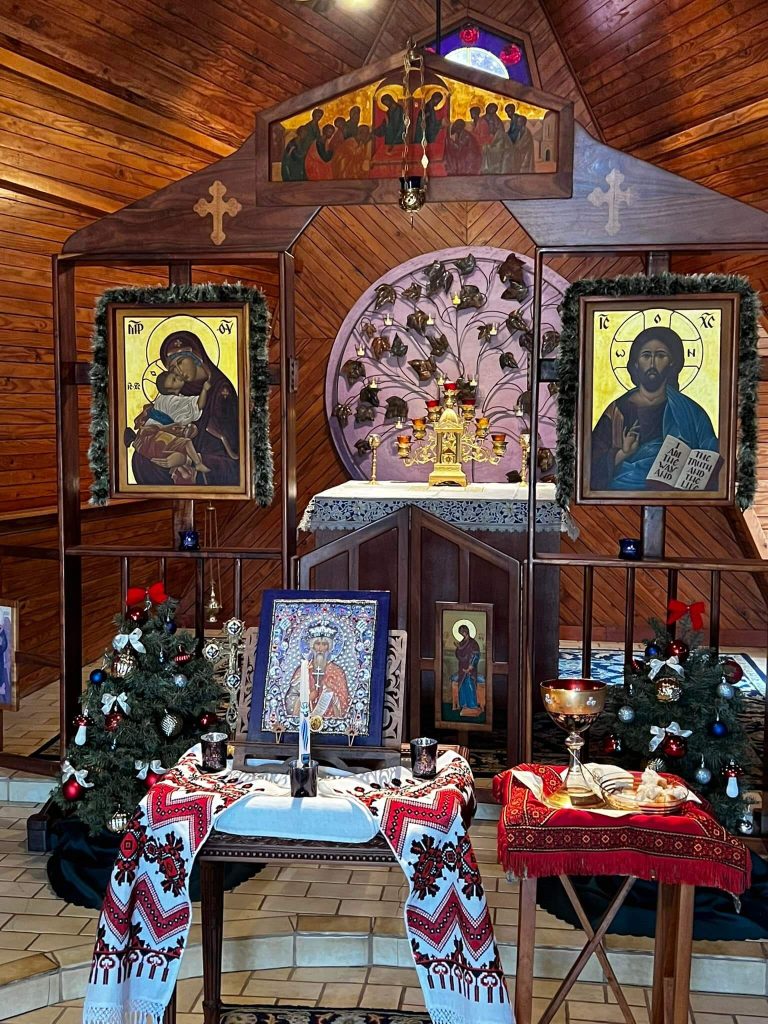
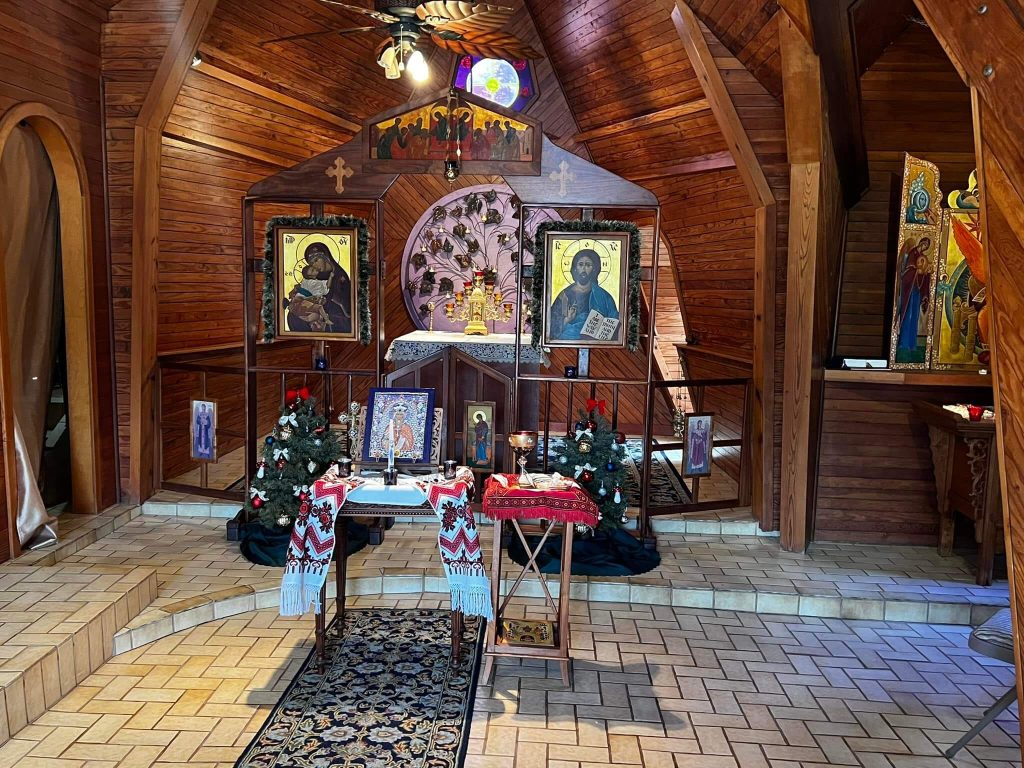
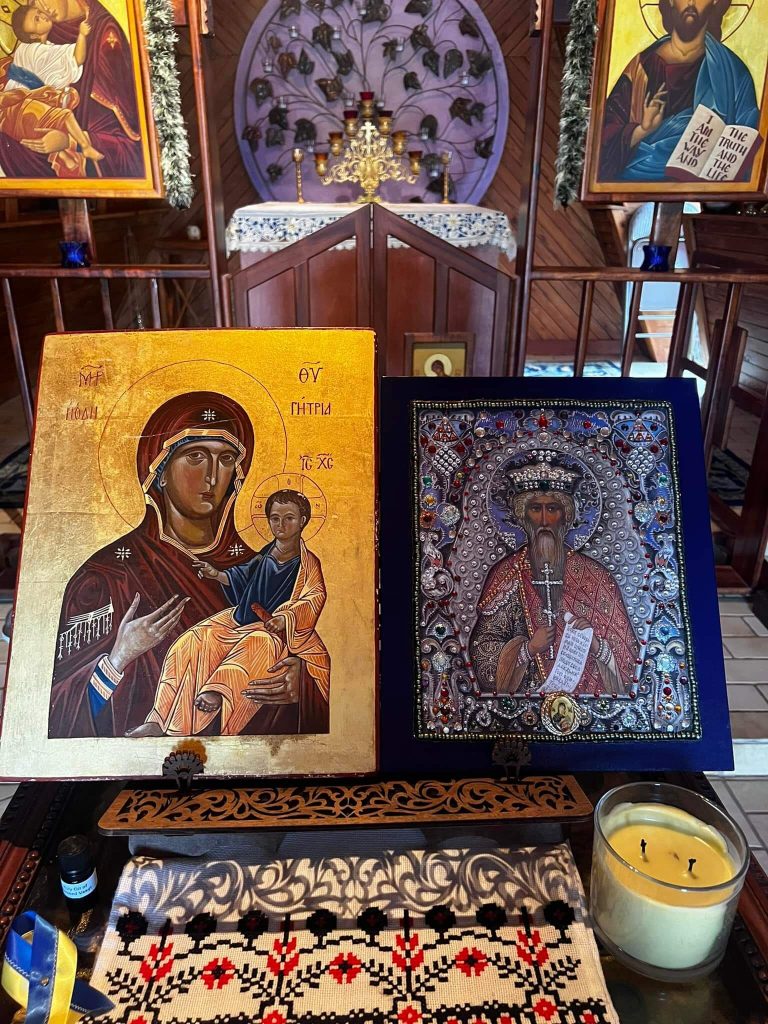
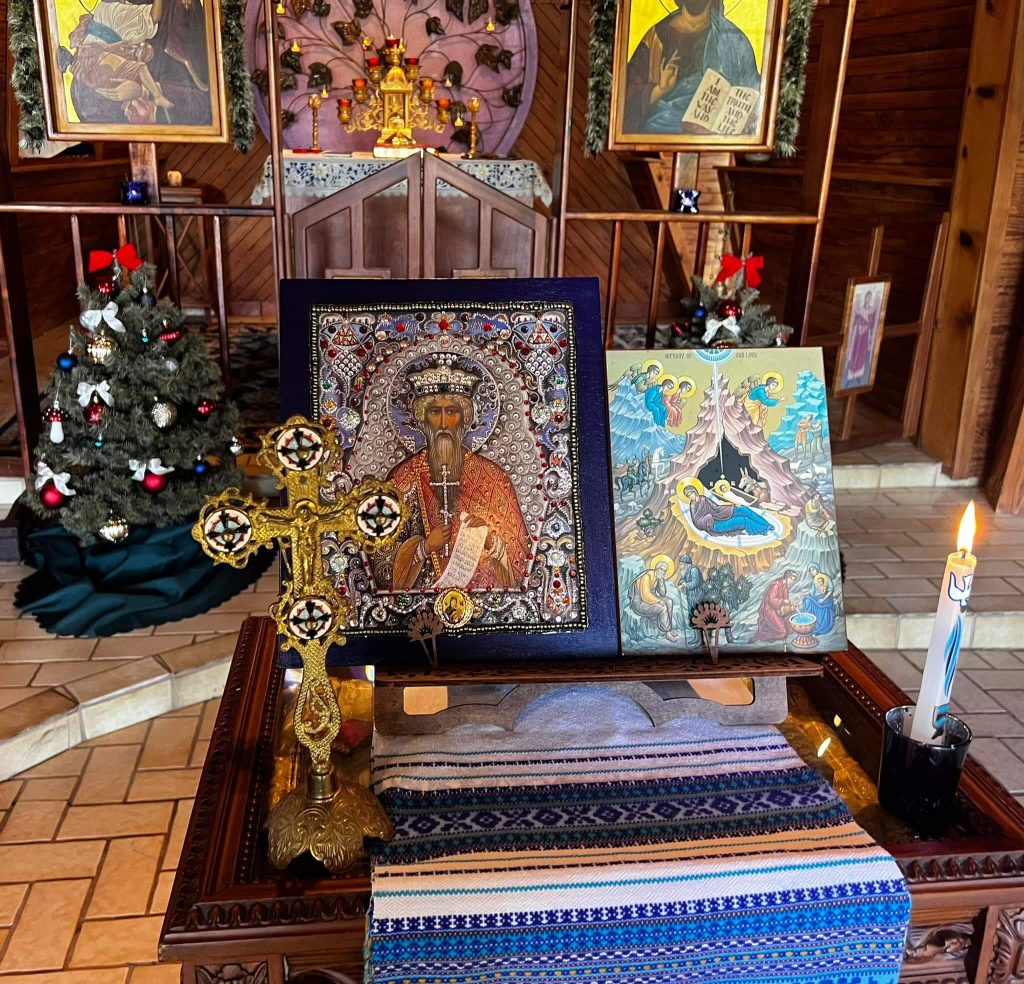
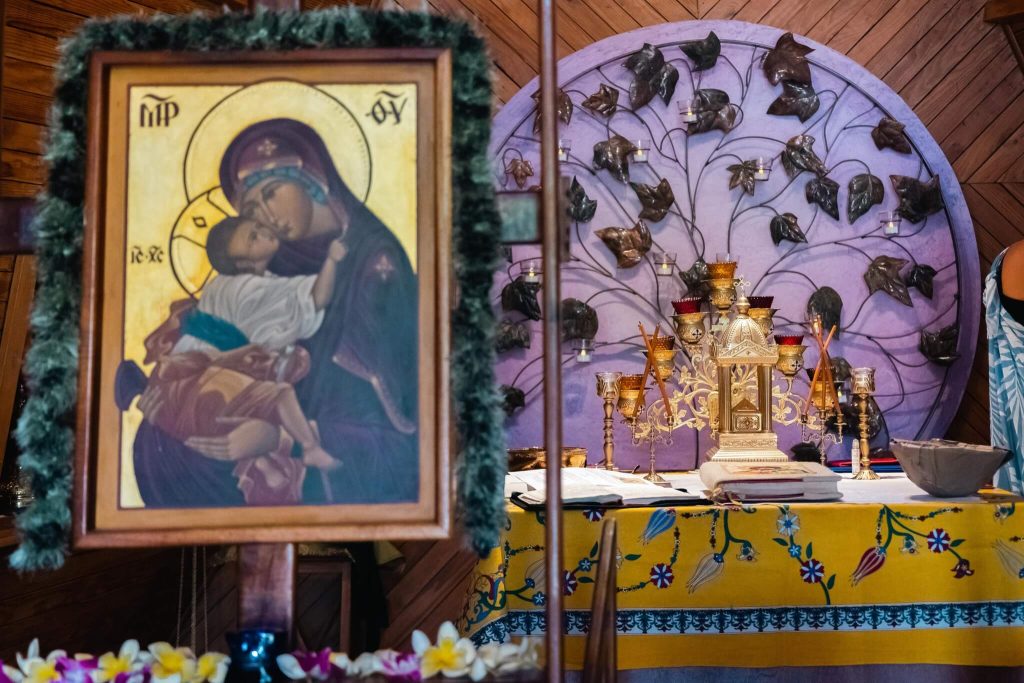
In a Ukrainian Greek Catholic church, icons form an integral part of the iconostasis, which symbolically connects the earthly Church with the heavenly Kingdom. Christ Pantocrator, meaning “Ruler of All,” represents Christ’s divine authority and presence.
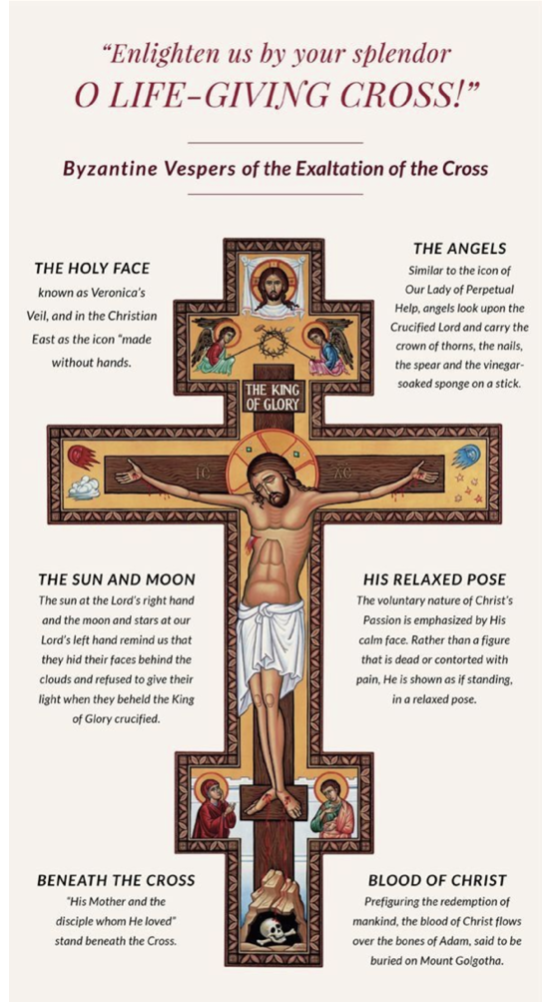
Icons communicate through symbolism, gestures, colors, and composition. They are not simply historical illustrations. Traditionally, an icon is said to be “written,” rather than painted, because it visually proclaims the Gospel and invites the viewer into prayer and contemplation.
Icons and Ukrainian History:
The survival of Ukrainian icons is also a story of perseverance. Under Soviet rule, the Ukrainian Greek Catholic Church was suppressed, and religious practice was driven underground. Icons were kept in homes, hidden, and used in clandestine worship. They therefore became more than religious objects. They preserved faith, memory, tradition, and identity when both the Church and expressions of Ukrainian identity were under pressure. Through the underground Church, the icon tradition survived and was passed from one generation to the next.
Icons Today:
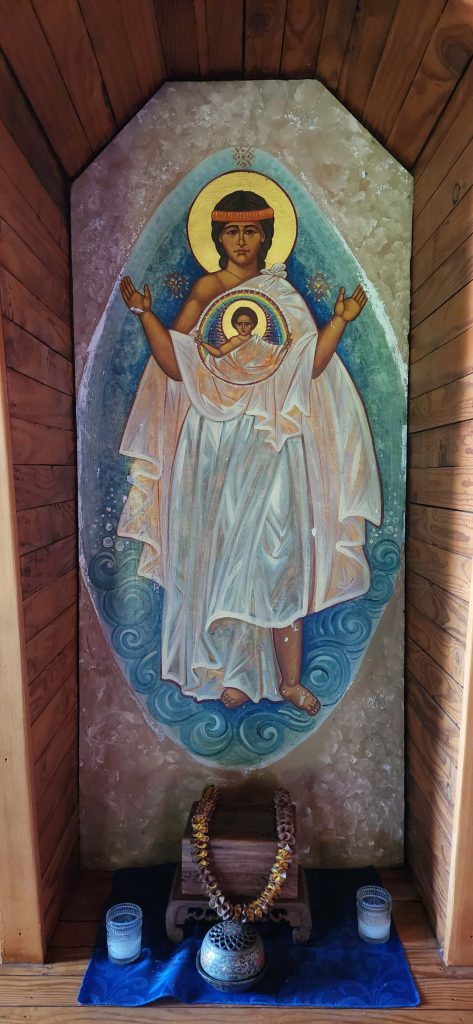
Today, Ukrainian Greek Catholics continue to use icons in homes, personal and communal prayer, the celebration of the sacraments, and religious processions. Contemporary Ukrainian iconographers continue the ancient tradition while responding to the experiences of modern Ukraine—including the suffering, resilience, and hope arising from Russia’s ongoing war against Ukraine.
In this way, Ukrainian iconography remains a living tradition rather than simply a link to the past.
For Ukrainian Greek Catholics, an icon is not merely a representation of a holy person. It is a sacred sign that draws the faithful into communion with Christ and the saints. Through beauty, symbolism, and prayer, the icon makes the mysteries of the Kingdom of God present to us.
Icons in Hawaiʻi:
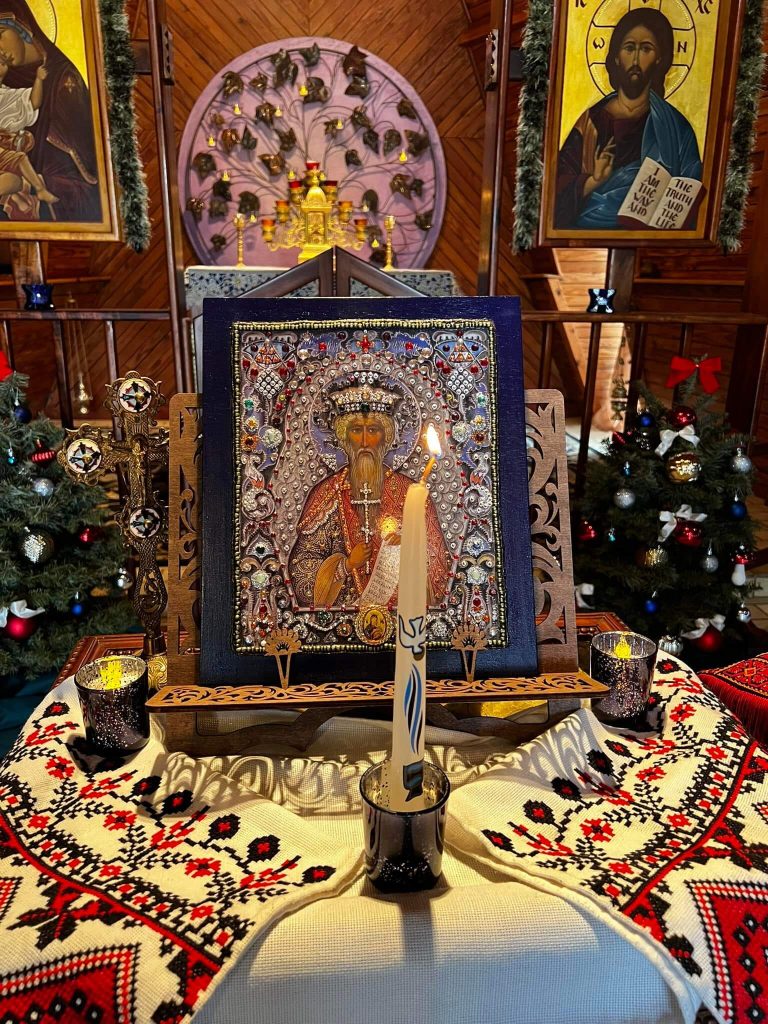
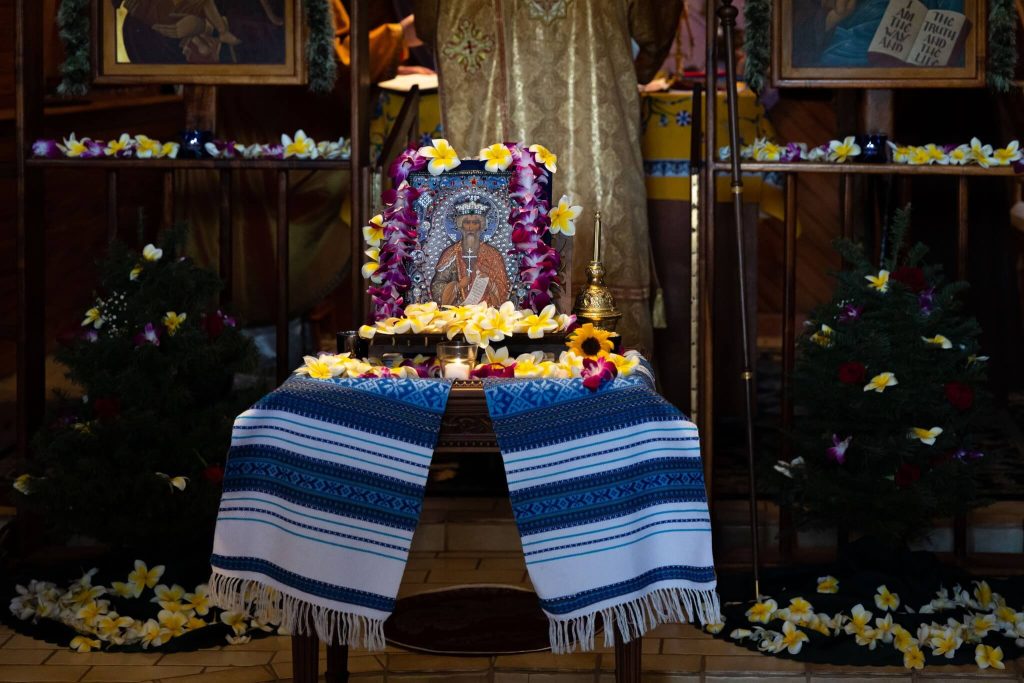
Thousands of miles from Ukraine, an icon connects us with generations of Ukrainians who carried their faith, traditions, and identity through churches, homes, and even underground during persecution. It is a living link between generations—and a witness to a faith that transcends time and culture.
Our Mission in Hawaiʻi is already rich in cultural diversity. Icons invite all of us to encounter the timeless Christian faith through beauty, prayer, and symbolism, while honoring the Ukrainian tradition from which they come.
Preserving this heritage does not separate us from the broader community. It enriches it. By keeping alive the faith and traditions entrusted to us, we add another thread to Hawaiʻi’s remarkable cultural tapestry—and give future generations the opportunity not only to know where we came from, but to discover what that heritage can inspire in them.