
Each Sunday of the Great Fast pairs a historical commemoration with a spiritual theme that
shapes how we live the Great Fast. Each Sunday highlights a particular “virtue” or aspect of salvation history. The theme of the First Sunday of the Great Fast is the “Triumph of Orthodoxy (Holy Icons).” This Sunday was orignally dedicated to the memory of the Holy Prophets of the Old Covenant. However, following the Seventh Ecumenical Council, the focus shifted to the restoration of the holy icons and the defeat of iconoclasm; the council affirmed icons as legitimate expressions of faith.
The main theological themes became:
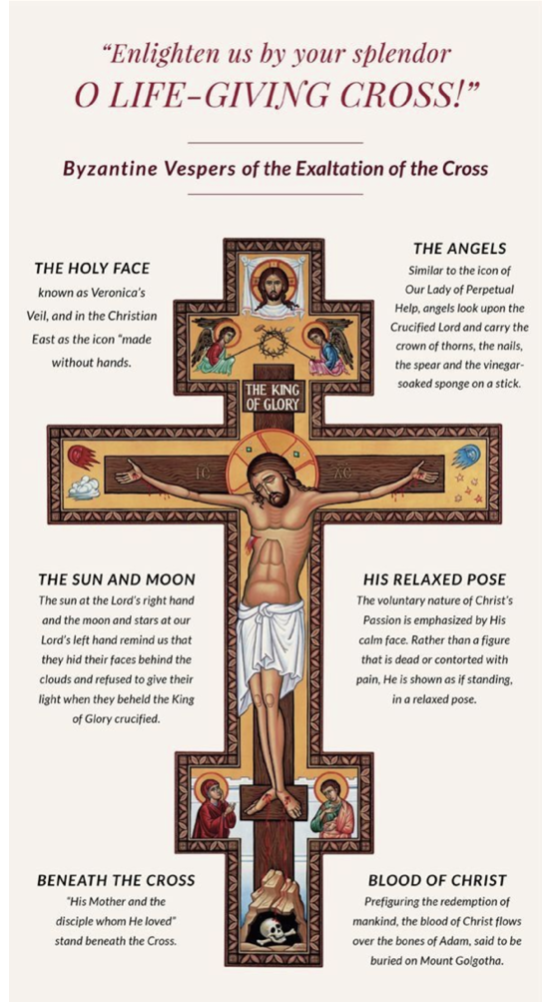
u On The Incarnation: Because the Son of God truly became man, He can be depicted and that matter can convey grace.
u The truth of right belief over heresy. In the mystery of the Incarnation, God taking human nature in Christ Jesus, Christ Himself in this act of humility becomes the Icon of our living God.
u The human person as an “icon of God” is called to be restored through repentance and Holiness.
These three themes become important when listening to the reading of the Gospel for this Sunday, John 1: 43-51. In the pericope is the call to Philip by Jesus and the invitation to Nathanial “to come and see” the Messiah. Jesus promises that Nathanael will see heaven opened, with angels ascending and descending on the “Son of Man,” referencing a connection between heaven and earth. By turning to Christ we will be restored as an “icon of God” and no longer disfigured.
“We define that the holy icons, whether in colour, mosaic, or some other material, should be exhibited in the holy churches of God, on the sacred vessels and liturgical vestments, on the walls, furnishings, and in houses and along the roads, namely the icons of our Lord God and Saviour Jesus Christ, that of our Lady, the Theotokos, those of the venerable angels and those of all saintly people. Whenever these representations are contemplated, they will cause those who look at them to commemorate and love their prototype. We define also that they should be kissed and that they are an object of veneration and honour, but not of real worship, which is reserved for Him Who is the subject of our faith and is proper for the divine nature.”
Peace and Grace, Tim